
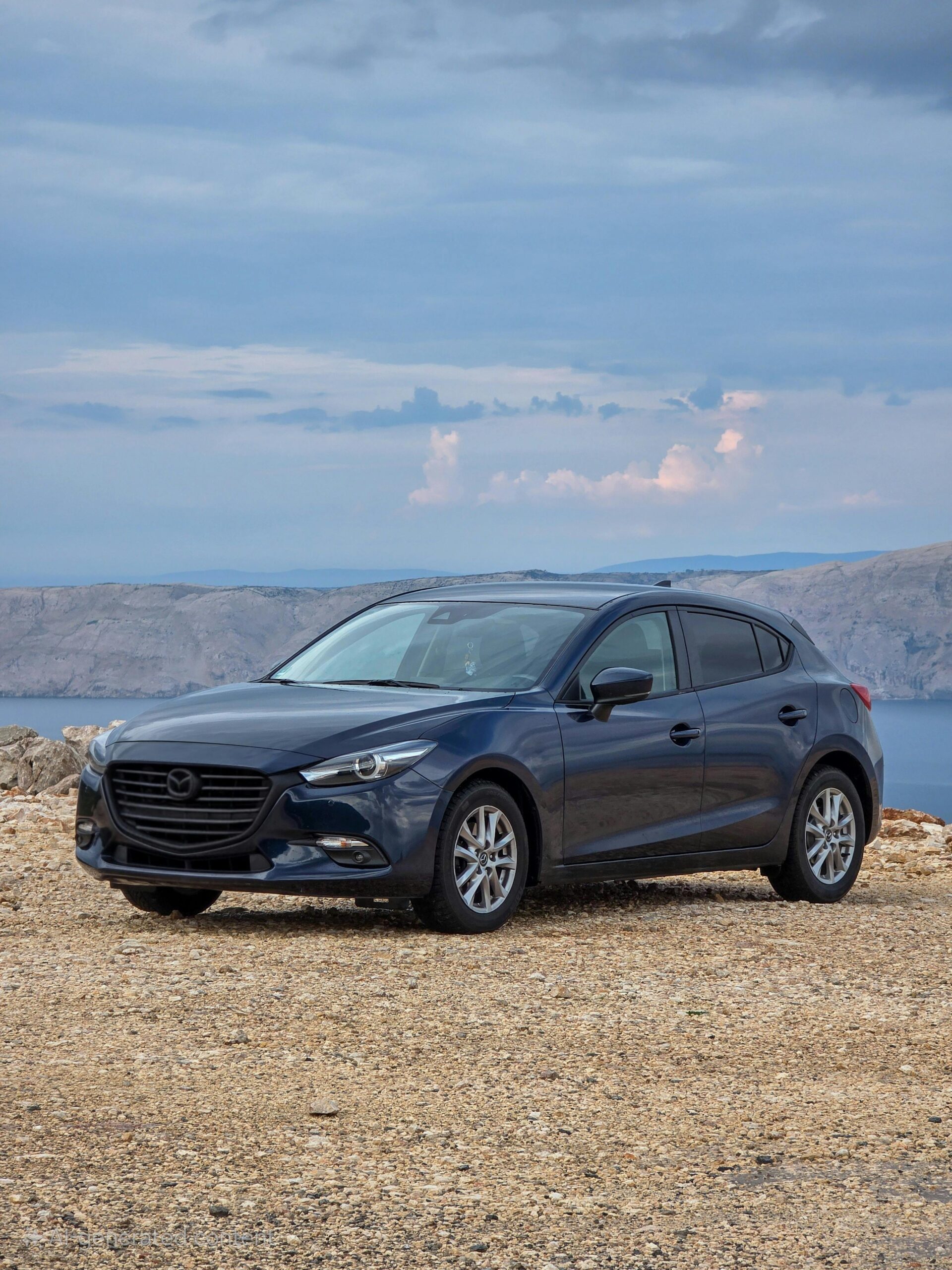
Thinking about importing a car to Kenya? You’ve probably seen those clean, low-mileage cars from Japan and wondered: “Is importing cheaper than buying locally?” The short answer? Yes — but only if you understand the real costs involved.
Many Kenyans make the mistake of focusing only on the purchase price of the car and completely forget about taxes, shipping, duty, port charges, and clearing fees. A car that costs KES 700,000 in Japan can easily end up costing KES 1.5 million or more after landing in Kenya. Before you click “Buy Now”, here is a complete breakdown of the cost of importing a car to Kenya in 2026.
1. Cost of Buying the Car
The first expense is the actual purchase price of the vehicle. This depends on:
- Car model
- Year of manufacture
- Mileage
- Engine size
- Condition
- Auction grade
For example:
- Toyota Vitz – From KES 600,000–900,000 landed
- Mazda Demio – Around KES 900,000–1.3M landed
- Toyota Harrier – KES 2M+ landed
- Nissan X-Trail – Around KES 1.5M+ landed
Japanese imports are usually cheaper because of lower mileage and better maintenance history. However, remember: The buying price is only the beginning.
2. Shipping Cost to Kenya
After purchasing the car, it must be shipped to Kenya. Most cars are imported through the Port of Mombasa. Shipping charges depend on:
- Country of export
- Car size
- Shipping company
- Type of shipment
On average, shipping from Japan to Kenya costs: KES 120,000 – 250,000
Larger SUVs cost more to ship than small hatchbacks.
3. Import Duty and Taxes (The Biggest Cost)
This is where most people get shocked. Kenya imposes several taxes on imported vehicles. You may pay:
Import Duty
Usually 25% of customs value
Excise Duty
Depends on engine capacity.
Smaller engines pay less.
VAT (Value Added Tax)
Usually 16%
Import Declaration Fee (IDF)
About 3.5%
Railway Development Levy (RDL)
Around 2%
Combined, taxes can account for more than 50% of the total vehicle value. This is why many imported cars appear “cheap” abroad but become expensive once they arrive in Kenya.
4. Port Clearance Charges
Once the vehicle arrives in Mombasa, it must be cleared. This includes:
- Port handling charges
- Documentation fees
- Storage fees (if delayed)
- Inspection fees
If your car stays too long at the port, storage costs can become painfully expensive. Many importers lose money due to delays.
5. Clearing Agent Fees
Unless you’re experienced, you’ll likely hire a clearing agent. A good agent helps with:
- Customs clearance
- Documentation
- Tax processing
- Vehicle release
Clearing fees can range from: KES 20,000 – 80,000+ depending on the vehicle and complexity. Be careful as some fake agents disappear with deposits.
Always use a trusted importer or licensed clearing company.
6. NTSA Registration Costs
Before driving the car legally in Kenya, it must be registered. This includes:
- Registration fees
- Number plates
- Logbook processing
This is handled through the National Transport and Safety Authority These charges vary depending on vehicle class.
7. Insurance Costs
You cannot legally drive without insurance. At minimum, you’ll need:
Third-Party Insurance
Cheaper option.
Comprehensive Insurance
More expensive but offers better protection.
Insurance costs depend on:
- Vehicle value
- Model
- Risk profile
- Insurer
For expensive imports like Harriers or CX-5s, annual insurance can be significant.
8. Inspection Fees (KEBS Compliance)
Imported vehicles must comply with Kenyan standards. Cars are inspected before shipment through approved inspection companies to ensure:
- Roadworthiness
- Mileage verification
- Age compliance
Remember: Kenya generally allows vehicles not older than 8 years from the year of first registration. Buying an older car could get your import rejected.
Example: Real Cost of Importing a Car to Kenya
Let’s say you buy a Toyota Axio in Japan.
Estimated Cost Breakdown
Expense Approximate Cost
Purchase Price KES 800,000
Shipping KES 180,000
Taxes & Duty KES 450,000
Clearance Fees KES 50,000
Registration KES 30,000
Insurance KES 60,000
Estimated Total KES 1.57M
This explains why imported cars often cost much more than expected.
Hidden Costs Many Kenyans Ignore
Here’s where people get burned financially.
Currency Exchange Losses:- Dollar and yen fluctuations affect pricing.
Storage Charges at Port:-Delays can attract daily penalties.
Agent Fraud:-Some agents overquote taxes or disappear with money.
Repairs After Arrival:- Not every imported car arrives in perfect condition. Always budget extra cash. A smart rule: Add at least KES 100,000–200,000 emergency budget.
Is Importing a Car Worth It?
For many Kenyans: Yes.
Imported cars usually offer:
Better condition
Lower mileage
Newer technology
Better fuel efficiency
More options than local dealerships
But only if you:
- Buy through trusted importers
- Understand taxes
- Budget properly
- Verify auction sheets
Otherwise, the process can become very expensive.
Final Verdict: Budget More Than You Think
If you plan to import a car to Kenya in 2026, expect costs to go far beyond the sticker price.
The smartest move?
Calculate the landed cost first before purchasing anything.
A car that seems affordable online may become painfully expensive after taxes and clearance.
But if done correctly, importing can still save you money and get you a better quality vehicle than buying locally.
Have you ever imported a car to Kenya, or are you planning to? The biggest mistake is underestimating the real cost.